


Sound is not just a background detail! In most industries, it plays a measurable role in safety, quality and user experience. This is why acoustic testing has become a standard part of construction, manufacturing and product development.
Sound testing helps assess how noise behaves in different settings [from homes to hospitals, and from speaker systems to aircraft engines]. The goal is always the same, i.e., to control sound where it matters most.
Understanding Acoustic Testing and Its Purpose
Acoustic testing is the process of measuring sound in a controlled, repeatable manner. It helps engineers, architects and regulators understand how sound travels through materials, products or spaces. Whether it is checking how well a wall blocks outside noise or how a device emits sound during operation, testing identifies clear data.
The results are then matched against national or international standards to ensure the outcome meets expectations. That is the main reason why acoustic testing in Hampshire has become part of all major residential and commercial builds.
Core Testing Methods Used Today
There are two primary ways to evaluate sound: airborne testing and impact testing. Airborne sound tests measure how sound moves through the air, such as music, traffic or speech. These tests are essential for checking insulation between rooms or from outside noise sources.
Impact testing is different. It focuses on how structure-borne noise [such as footsteps on a floor] moves through solid materials. This is common in apartment buildings and office towers. In many cases, both methods are used together to gain a complete picture.
Specialised Equipment Used in the Process
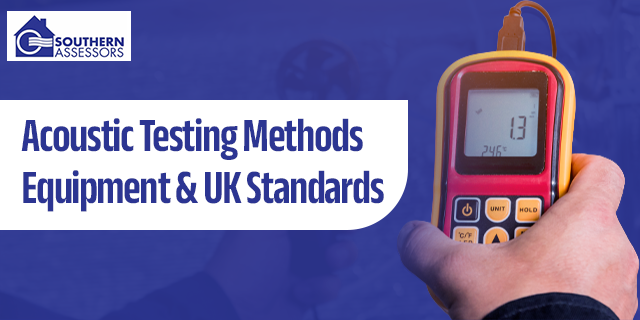
Every test relies on precise acoustic testing equipment. For airborne tests, equipment includes calibrated sound sources, omnidirectional speakers and microphones placed at set distances. For impact tests, tools like tapping machines simulate real-life noise sources on the floor above.
Signal analysers and software interpret the sound levels and create a report. These tools are used not only in cities but in quieter zones as well. For example, acoustic testing in Wiltshire often needs mobile testing units that can work without disturbing the surrounding rural landscape.
UK Testing Standards and Compliance
In the UK, acoustic testing is guided by standards such as Approved Document E for buildings. These regulations set limits on how much noise can pass between homes, flats or shared walls. Developers use testing services in every phase of construction to confirm they meet these standards.
Areas like acoustic testing in Berkshire often involve both pre-construction and post-completion testing. If results fall short, insulation improvements must be made before occupancy. That is why acoustic testing is as much about risk management as it is about engineering.
What It Means for Today’s Projects
Across the UK, testing is not just required for new buildings. It is also used in product development, urban planning, and industrial zones. Teams performing acoustic testing apply the same principles whether they are working on a school auditorium or a wind turbine blade. Every decibel matters in creating quiet, efficient and regulation-friendly environments. The same testing frameworks used in the UK are now being studied and adopted worldwide.
Conclusion
Acoustic testing is no longer limited to specialist labs or high-end projects. It is now a core part of good design and smart planning. From the tools used to the rules followed, everything is geared toward making spaces quieter and sound systems clearer.
Whether it is a residential project in Hampshire or a commercial block in Wiltshire, testing ensures that what we hear [and do not hear] meets the mark. With the right methods and tools, sound can be measured, managed and improved for better living.