


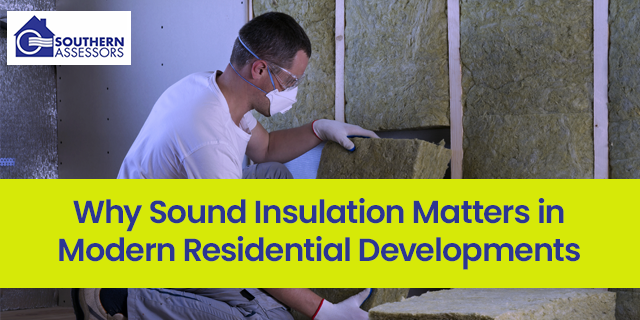
Modern homes are expected to offer more than visual appeal. Comfort today includes a deeper sense of privacy, quietness and mental ease. That is why sound insulation has become a defining feature of well-designed residential buildings.
Noise, when left unmanaged, can impact quality of life in subtle but lasting ways. From footsteps on upper floors to traffic rumbling outside, sound travels quickly through modern structures unless careful planning is done from the start.
Why Modern Homes Face Greater Acoustic Challenges
In the past, thick masonry walls provided natural sound barriers. Today, construction often favours lightweight materials that prioritise speed and cost. Open-plan layouts, walls, and large glazed areas may be impressive but are easy for sound to travel. This is particularly the case in flats, duplexes and mixed-use properties where walls and ceilings are shared between properties.
Residents in such buildings have often complained of hearing the conversations of neighbours, their televisions or footsteps. These disturbances are more than an annoyance. Over time, they contribute to disrupted sleep, lack of focus and emotional fatigue. That is why acoustic comfort now forms a key part of residential planning in many regions.
Why Testing Is a Key Step in Every Development
It is not enough to design for sound control. Actual testing ensures that performance meets the required standard. Builders often carry out acoustic tests once internal finishes are complete but before handover. This allows time for corrections if the results fall below the expected threshold.
Across many regions, testing has become a routine part of building compliance. For example, sound testing in Wiltshire helps developers meet local regulations while also confirming that units will not transfer noise excessively between neighbours.
Such tests do not disrupt the building process. They involve setting up controlled sound sources and measuring the noise that passes through walls or floors. The results are then compared against legal or industry standards.
The Value of Testing in Completed Spaces
Post-construction testing can also reveal performance gaps that are invisible to the eye. For instance, small gaps in insulation, cracks near skirting boards, or loose fittings may allow sound leakage. These issues can be fixed quickly if identified early.
Sound insulation testing in Hampshire often uncovers these minor faults before residents experience discomfort. In many cases, addressing these problems at the testing stage prevents long-term dissatisfaction and reputation loss for builders.
Even after buildings are occupied, retrofitting sound insulation can still deliver noticeable improvements. This is particularly relevant in high-density urban housing [where outside noise and internal echoes become more prominent over time].
Why It Pays to Plan for Sound Early
Homes with good sound insulation feel more private, restful and secure. They also retain property value better in crowded cities where noise is unavoidable. Buyers and tenants are becoming more aware of acoustic comfort when choosing a place to live.
Sound insulation testing in Berkshire has become a regular part of property development for this reason. Projects that pass testing with strong results tend to stand out in competitive housing markets. More than just meeting regulations, soundproofing now speaks to the emotional quality of a home.
Closing Thought
In the end, sound insulation is not all about quiet. It is about peace, privacy and the feeling of being really at home. Planning for sound control from the outset helps builders provide spaces that provide more than just walls and windows. They provide silence when it is most important.